
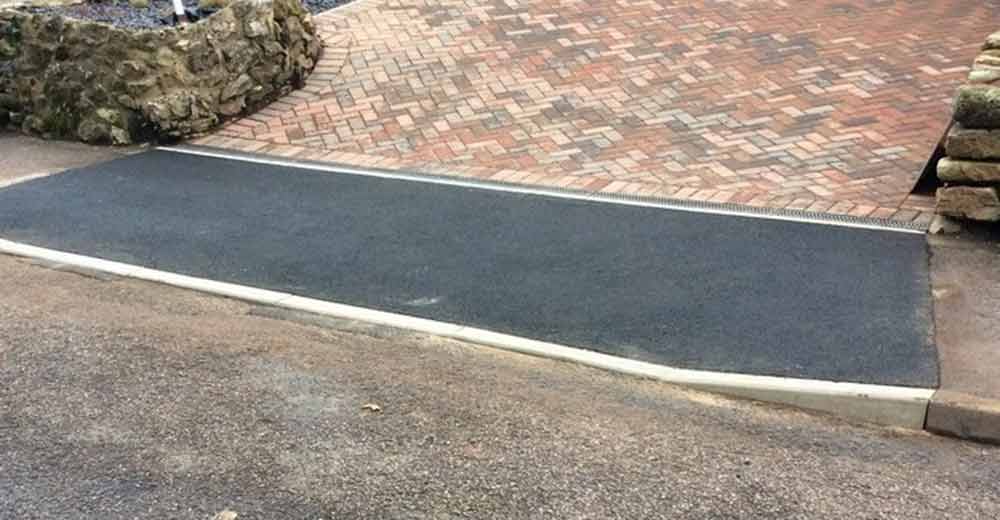
Are you considering creating a new vehicle access to your property with a dropped kerb? Before you proceed, it’s essential to understand the requirements and permissions involved. Crossing a footway without an approved crossing is against the law and may result in fines or penalties. To obtain a dropped kerb, you’ll need permission from your local Council as the highway authority. But can your drop kerb be refused? Let’s explore the factors that can influence the Council’s decision and what you can do if your application is rejected.
If you’re in Rotherham and looking for professional assistance with dropped kerbs, contact Dropped Kerbs Rotherham at 07595 510190.
Reasons for Refusal of Dropped Kerb
When applying for a dropped kerb, there are several reasons why it may be refused. One common reason is the lack of planning permission. It’s important to ensure you have obtained the necessary planning permissions before proceeding with the construction.
Safety concerns are also taken into account, such as the impact on pedestrian accessibility and the environment. Local councils prioritise the safety of pedestrians and the overall flow of traffic in the area. This means that if the proposed dropped kerb poses safety concerns, it may be refused.
Environmental considerations play a significant role in determining whether planning permission will be granted.
Preservation of trees and maintaining proper drainage systems are essential. Ensuring that the installation of a dropped kerb does not hinder environmental factors is crucial for obtaining approval.
Another factor that influences the refusal of a dropped kerb is its effect on traffic flow. A dropped kerb creates a break in the pavement, which can affect the overall traffic pattern and road maintenance.
Councils consider the impact on traffic and pedestrians before granting permission.
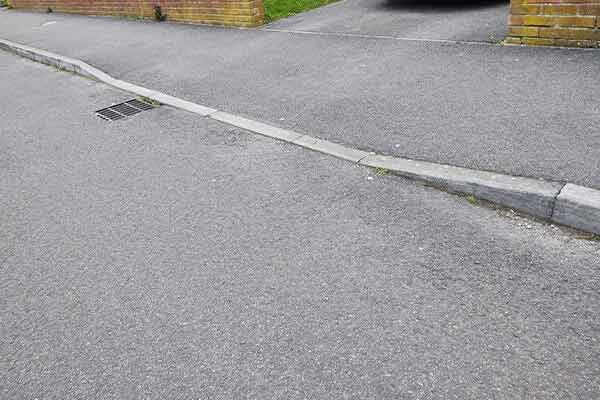
Lastly, obstruction of utilities is a significant concern when considering a dropped kerb application. Underground infrastructure, such as utility lines, need to be protected from potential damage and disruptions during construction. Addressing these concerns is essential in the approval process.
By taking into account these factors and addressing any potential concerns, you can increase the chances of your dropped kerb application being approved. It’s important to engage with your local council, provide all necessary information, and consider the safety, environmental, and traffic implications of your proposed dropped kerb.
Alternatives and Next Steps
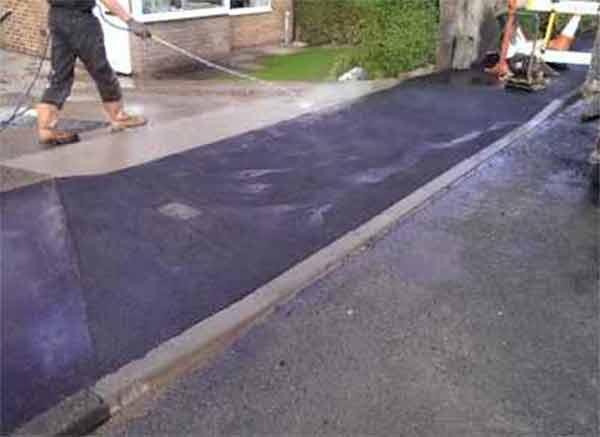
If your dropped kerb application is refused, there are several alternatives and next steps you can consider.
Firstly, you can explore further appeal options higher up in the chain of command within the Council. It’s important to understand the process and procedure for appealing in your area.
Secondly, you could consider hiring a local contractor to install a dropped kerb without council permission.
However, this may come with potential risks, such as legal consequences if discovered.
It is advisable to consult with a professional contractor who has experience in working within the local regulations.
Alternatively, you can explore the option of installing a kerb ramp as a temporary solution to improve accessibility without formal permission. A kerb ramp is a removable device that allows vehicles to transition smoothly between the road and pavement, providing accessibility for drivers.
Additionally, you may also consider implementing parking restrictions in front of your property to discourage others from parking there. This can be done by contacting the local council and requesting parking restrictions in the form of yellow lines or resident permit zones.
Contact us today on 07595 510190 to receive a free quote for your Dropped Kerb, Tarmac, Resin, Concrete or Block driveway project.
Source Links
- https://www.buyaplan.co.uk/blog/89-10-tips
-for-getting-planning-permission-for-a-dropped-kerb - https://forums.moneysavingexpert.com/discussion/
5618641/dropped-kerb-application-refused - https://droppedkerbnottingham.co.uk/
why-would-a-drop-kerb-be-refused/

Are you considering getting a dropped kerb for your property in Rotherham? Before you start, it's important to understand the costs involved. Read more

Welcome to the world of dropped kerbs in the UK! If you've ever wondered about the cost factors associated with this process, you've Read more

When applying for a dropped kerb, it is important to ensure that your measurements meet the minimum and maximum requirements. The Read more