

Converting your garden into a driveway involves the installation of a dropped kerb. A dropped kerb, also known as a crossover, is a modification to the footway that allows vehicles to access a driveway from the road. However, obtaining planning permission from the local council is necessary for this conversion.
Additionally, dropping a kerb is a job that is typically carried out by a contractor approved by the local authority. The average cost of installing a dropped kerb is around £1500, including materials and labour. It is important to factor in the planning application fee, which can range from £50 to £250. Failure to obtain permission for a dropped kerb can result in fines up to £1,000.
Do I Need Planning Permission for a Driveway in a Conservation Area?
If you live in a conservation area and are considering converting your garden into a driveway, obtaining planning permission may be more challenging. Building a dropped kerb in a conservation area can be more complex and costly compared to non-conservation areas. It is important to understand the specific regulations and requirements that apply to your location.
When seeking planning permission for a driveway in a conservation area, the local council will carefully consider various factors. These factors typically include the impact on the appearance and character of the conservation area and the safety of entering and exiting the driveway.
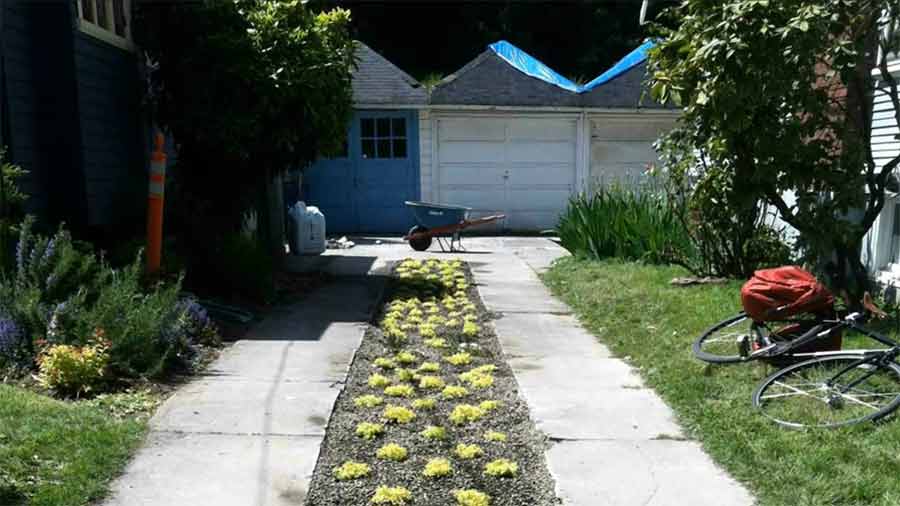
Factors that may influence the approval process:
- The proximity of the proposed driveway to a busy road or a bus stop
- The availability of parking spaces in the area
- The size of your front garden and its ability to accommodate a vehicle without obstructing the pavement
The cost of obtaining planning permission for a driveway in a conservation area can vary. It is advisable to consult with a specialist who can guide you through the process and help ensure compliance with regulations.
| Considerations | Conservation Area | Non-Conservation Area |
|---|---|---|
| Planning Permission | More complex and costly | Generally straightforward |
| Approval Factors | Appearance, character, and safety | N/A |
| Parking Availability | Taken into account | N/A |
| Front Garden Size | Considered for pavement obstruction | N/A |
Before proceeding with any driveway conversion project, it is crucial to research and understand the specific regulations and requirements for your area. Failure to obtain the necessary planning permission can result in fines and costly repercussions. Consulting with professionals who specialise in dropped kerbs and conservation areas can help ensure a smooth and successful process.
Planning Permission for Driveways and Dropped Kerbs
If you’re considering converting your front garden into a driveway, it’s important to understand the planning permission requirements. In most cases, planning permission is not required as long as you use a permeable surface material. This means that the rainwater can drain naturally and reduce the risk of flooding in urban areas. However, if your driveway will cover an area larger than five square meters or use impermeable materials such as traditional paving, you will need to obtain planning permission. It’s also crucial to consider any additional work like fences, walls, or a dropped kerb, as these may require separate planning permission.
Before starting your driveway conversion project, it’s recommended to check with your local council for any specific restrictions or Article 4 directions that may apply to your property. These regulations can vary depending on the location and type of property, so it’s essential to ensure compliance. Failure to obtain the necessary planning permission can result in fines and additional costs. By following the proper procedures and obtaining permission, you can create a functional and attractive driveway that meets all the required regulations.
Permeable Surface vs. Impermeable Material
The distinction between a permeable surface and an impermeable material is crucial when it comes to planning permission for driveways. A permeable surface allows rainwater to soak into the ground, preventing excessive runoff and reducing the strain on the local drainage system. It helps to prevent flooding and keeps the surrounding environment healthier. On the other hand, impermeable materials do not allow water to drain naturally, increasing the risk of flooding in urban areas. If your driveway requires an impermeable material, you will need to obtain planning permission to ensure that proper drainage measures are in place.
| Permeable Surface | Impermeable Material |
|---|---|
| Allows rainwater to drain naturally | Does not allow rainwater to drain naturally |
| Reduces the risk of flooding | Increases the risk of flooding |
| Generally does not require planning permission | Planning permission is required |
Choosing a permeable surface for your driveway not only ensures compliance with regulations but also promotes sustainability and environmental responsibility. It’s an excellent way to contribute to water management efforts and protect your local ecosystem. Before making any decisions, consult with your local council for guidance on the specific requirements for your area.
Conclusion
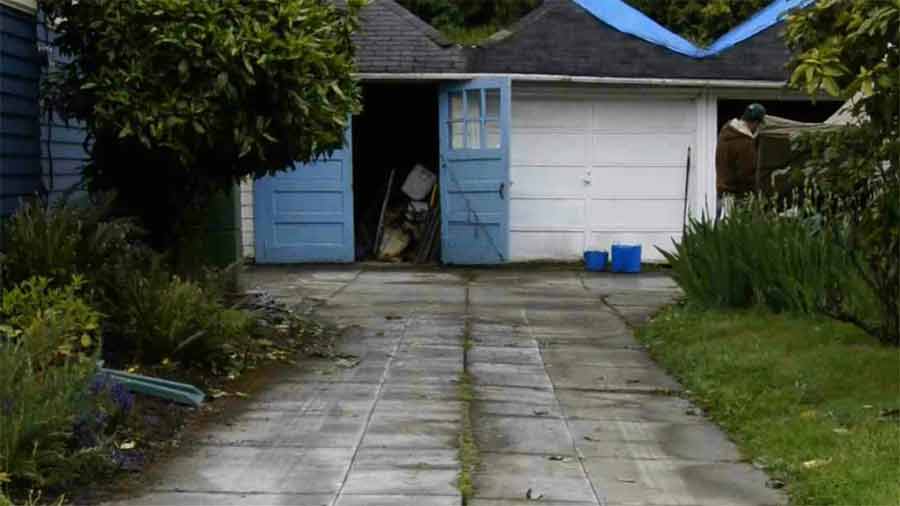
Converting your garden into a driveway with a dropped kerb can greatly enhance the value and appeal of your property. While planning permission is generally not required for driveway conversions, it is crucial to consider the use of permeable surface material and any potential restrictions in conservation areas.
By following the necessary procedures and obtaining permission, you can create a functional and attractive driveway that complies with regulations. Remember to check with your local council for any specific restrictions or Article 4 directions that may apply to your property.
The cost of a dropped kerb can vary depending on factors such as location, pavement strengthening requirements, or tree removal. It is advisable to consult with a reputable contractor, such as Dropped Kerb Rotherham (https://droppedkerbsrotherham.co.uk/), to get an accurate estimate for your driveway conversion project.
With the proper planning and approval in place, you can transform your garden into a practical and aesthetically pleasing driveway, adding convenience and functionality to your home.
Contact us today on 07595 510190 to receive a free quote for your Dropped Kerb, Tarmac, Resin, Concrete or Block driveway project.
Source Links
- https://www.griggshomes.co.uk/
can-i-turn-my-front-garden-into-a-driveway - https://www.planningportal.co.uk/
permission/common-projects/paving
-your-front-garden/planning-permission - https://www.northeastpavingandgardens.co.uk/
turn-front-lawn-into-driveway/

Are you considering a new driveway for your property in Rotherham? If so, you might be wondering if you need Read more

Have you ever wondered if parking in front of a dropped kerb is legal in the UK? Can you block Read more

When it comes to selecting the ideal surface for your driveway, the decision between tarmac and asphalt might seem straightforward Read more