
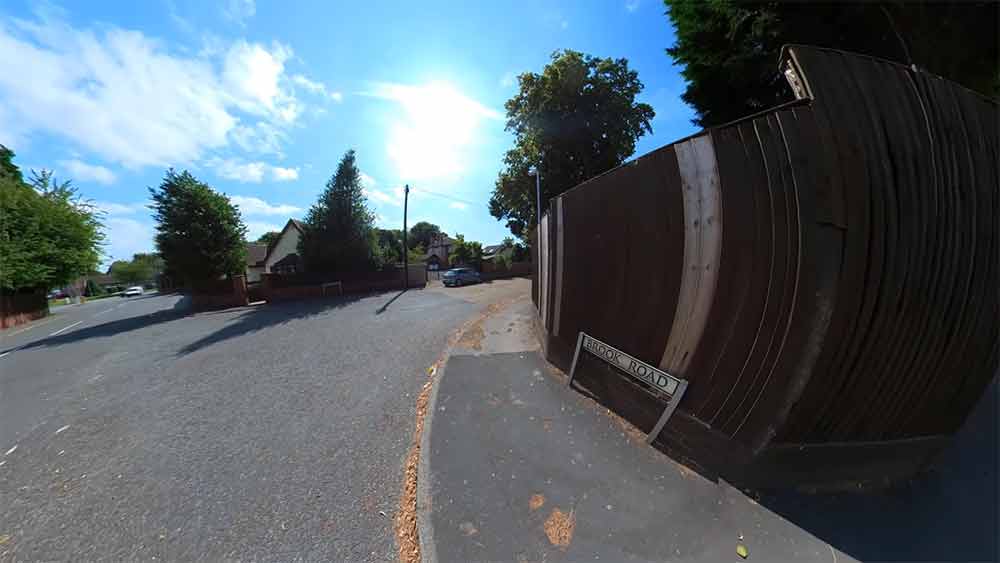
Are you considering improving your driveway access with a dropped kerb on an unadopted road in Rotherham, United Kingdom? A dropped kerb, also known as a lowered kerb or car curb cut, provides a convenient vehicle crossing, allowing smooth entry to your property. But before you proceed, it’s important to understand the regulations and processes involved in installing a dropped kerb.
Installing a dropped kerb on an unadopted road requires careful consideration of planning permission, application processes, and the selection of an approved contractor. Planning permission is necessary if the road is classified, but if it’s unclassified or unadopted, planning permission may not be required. However, it’s essential to comply with specific requirements depending on the situation.
The application process involves an assessment of the property, including the depth of the front garden and other factors like conservation areas, flats or apartments in the property, and the need to demolish a boundary wall. To ensure a successful application, it’s crucial to hire an approved contractor who is knowledgeable about dropped kerb regulations and has the necessary accreditation.
The cost of a dropped kerb installation can vary depending on factors such as the area of the footpath and additional costs for utilities and vegetation. It’s advisable to consult with a reputable dropped kerb contractor to get an accurate estimate and understand the process thoroughly.
Remember, applying for planning permission correctly is crucial. Although denial is possible, there’s always the option to appeal the decision. By following the necessary regulations and processes, you can enhance your vehicle access with a dropped kerb on an unadopted road in Rotherham.
For more information about dropped kerb installations in Rotherham, visit droppedkerbsrotherham.co.uk.
Do You Need Planning Permission for a Dropped Kerb?
In the UK, planning permission is generally required for the installation of a dropped kerb. However, this requirement does not apply to unadopted or unclassified roads. According to the Town and Country Planning Act of 1990, properties located on a classified road require planning permission for a dropped kerb. On the other hand, for properties adjacent to non-classified or unadopted roads, planning permission is not needed.
The specific criteria for planning permission regarding a dropped kerb include the depth of the front garden or driveway, which must meet certain measurements relative to the width of the property.
Additionally, other factors such as being situated in a conservation area, having flats or apartments within the property, or the need to demolish a boundary wall can also impact the requirement for planning permission.
It is essential to ensure that the application for planning permission is completed accurately, as there is a possibility of denial. Consulting with a planning consultant or an approved contractor can provide valuable assistance and guidance throughout the process. They can help navigate the specific dropped kerb regulations, ensuring compliance and increasing the chances of a successful application.
The cost of applying for planning permission and the installation of a dropped kerb can vary depending on several factors. These factors include the area in which the property is located, the extent of the work required, and any additional costs related to utilities and vegetation. Seeking advice from professionals in the field can provide a clearer understanding of the potential costs involved.
The Process of Installing a Dropped Kerb
The process of installing a dropped kerb involves several essential steps to ensure proper planning and execution. Let’s take a closer look at the process:
- Obtain Planning Permission: The first step is to determine if planning permission is required for your dropped kerb installation. If necessary, you need to fill out an application and submit detailed plans of the proposed work.
- Assessment and Environmental Observations: An assessor will visit your property to make environmental observations and take measurements. This information is crucial for assessing your application and determining the feasibility of the installation.
- Accurate Drawings and Information: It is essential to provide accurate and detailed drawings with measurements in your application. Typically, photographs are not accepted, so make sure your plans are clear and precise.
- Identification of Obstructions: Your application should include information about any potential obstructions that might affect the installation, such as trees, parking bays, road signs, bus stops, or utility covers. This enables the council to assess the feasibility of the project thoroughly.
- Submission and Application Fee: After completing the application and gathering all necessary information, you will need to submit it along with the required application fee.
- Site Safety Assessment and Construction Specification: If your application is approved, a site safety assessment will be conducted, ensuring that all safety regulations are met. The council will also provide you with a construction specification that outlines the requirements for the installation.
- Full Payment and Construction: Before construction can commence, you will be required to make full payment for the dropped kerb installation. Once payment is received, the approved contractor can begin the construction process.
- Timely Completion: The work is typically expected to be completed within six months of the site safety assessment to ensure that the project progresses efficiently.
- Hire an Approved Contractor: It is crucial to hire an approved contractor for the installation, as they possess the necessary insurance and accreditation to carry out the work effectively and safely.
- Option to Appeal: If your request for planning permission is denied, you have the option to appeal the decision. Work with your contractor or seek professional advice to understand the appropriate steps to take in this situation.
By following these steps and working with an approved contractor, you can navigate the process of installing a dropped kerb smoothly and efficiently. Remember that each local council might have specific requirements and processes, so it is crucial to familiarise yourself with the regulations in your area. A well-executed dropped kerb installation can significantly enhance your property’s accessibility and convenience.
Conclusion
Installing a dropped kerb on an unadopted road in the UK requires careful consideration of regulations and processes.
Planning permission is generally necessary for a dropped kerb unless the road is unclassified or unadopted.
The specific requirements for planning permission include the depth of the front garden or driveway, as well as factors like conservation areas, flats or apartments in the property, and the need to demolish a boundary wall.
The application process involves submitting detailed plans and paying an application fee.
It is crucial to hire an approved contractor for the installation to ensure compliance with regulations and standards. The work must be completed within a specified timeframe to avoid any issues or penalties.
If the request for planning permission is denied, property owners have the option to appeal the decision. By following the necessary regulations and processes and seeking professional assistance when required, homeowners can enhance their access with a dropped kerb on an unadopted road, improving convenience and safety for their vehicles.
Contact us today on 07595 510190 to receive a free quote for your Dropped Kerb, Tarmac, Resin, Concrete or Block driveway project.
Source Links
- https://www.uksurfacings.com/news/
need-planning-permission-dropped-kerb/ - https://www.drivewayexpert.co.uk/do-you
-need-planning-permission-for-a-dropped-kerb.html - https://www.tameside.gov.uk/kerbdropping

Are you considering getting a dropped kerb for your property in Rotherham? Before you start, it's important to understand the costs involved. Read more

Welcome to the world of dropped kerbs in the UK! If you've ever wondered about the cost factors associated with this process, you've Read more

When applying for a dropped kerb, it is important to ensure that your measurements meet the minimum and maximum requirements. The Read more