

Constructing a dropped kerb without proper authorisation or following legal guidelines results in an illegal dropped kerb. This breach can lead to penalties ranging from £100 to £1000 and potential safety hazards for pedestrians and drivers. Adhere to regulations to maintain safety and accessibility standards in your neighbourhood.
Legal Requirements for Dropped Kerbs
To comply with regulations, make sure that any dropped kerb installation meets the specific legal requirements set forth by local authorities.
Safety concerns and accessibility issues are important factors to take into account when installing a dropped kerb. Ensuring that the kerb is properly constructed and at the correct gradient is vital to prevent accidents and facilitate the movement of pedestrians and vehicles.
Failing to meet these legal requirements can’t only pose safety risks but also impact property value and resale implications. A poorly constructed dropped kerb can deter potential buyers and affect the overall aesthetics of the property.
It’s important to adhere to the guidelines set by local authorities to maintain the integrity of the neighbourhood and ensure that the dropped kerb enhances, rather than detracts from, the property’s value.
Design Specifications and Dimensions
Make certain that the design specifications and dimensions of the dropped kerb installation align with the local authorities’ regulations to guarantee safety and accessibility for pedestrians and vehicles.
When considering the installation process, adhere to specific guidelines to secure compliance. The width of the dropped kerb should typically range from 2.4 metres to 2.75 metres, allowing ample space for vehicles to enter and exit without obstruction. Additionally, the slope gradient must align with accessibility considerations, usually set at 1:10 for pedestrian safety and wheelchair access.
Safety concerns are paramount in the design of dropped kerbs.
The height of the kerb should be kept within the regulated limits, typically around 6 centimetres, to prevent tripping hazards for pedestrians.
Properly constructed dropped kerbs enhance accessibility for all individuals, including those with mobility challenges.
Adhering to the specified dimensions and following installation guidelines won’t only secure legal compliance but also promote a safe and accessible environment for pedestrians and vehicles alike.

Prohibited Modifications and Obstructions
Guarantee that any modifications to a dropped kerb adhere strictly to legal guidelines to prevent obstructions and maintain safety standards.
Prohibited modifications and obstructions can pose accessibility concerns and safety hazards, compromising the functionality of the dropped kerb. Unauthorised alterations such as extending the width beyond regulations or installing barriers that hinder pedestrian access not only violate regulations but also create potential risks for individuals using the pathway.
These modifications may obstruct the flow of traffic, impede the passage of individuals with disabilities, and increase the likelihood of accidents. Additionally, these changes can detract from the property value and neighbourhood aesthetics, impacting the overall appeal of the area.
Ensuring compliance with regulations is essential not only to avoid legal repercussions but also to uphold the accessibility and safety standards that dropped kerbs are designed to provide. By refraining from prohibited modifications and obstructions, you contribute to maintaining a safe and accessible environment for all pedestrians.
Planning Permission and Council Regulations
When considering modifications to a dropped kerb, it’s important to be aware of the planning permission requirements and council regulations in place to guarantee compliance with legal standards.
To begin with, regarding land ownership, it’s essential to establish who owns the land where the dropped kerb is located. If the land is privately owned, you’ll need permission from the landowner before making any modifications.
Next, planning permission is often required for alterations to dropped kerbs, especially if they involve changes to the highway or footpath. Local authorities typically oversee these permissions, and it’s advisable to consult with them to ensure that any planned modifications meet the necessary criteria.
Additionally, council regulations play a significant role in governing dropped kerbs to maintain safety and accessibility standards. Familiarising yourself with these regulations and seeking approval from the relevant local authorities can help avoid legal issues and ensure that any modifications are carried out in accordance with the law.
Enforcement Actions and Penalties
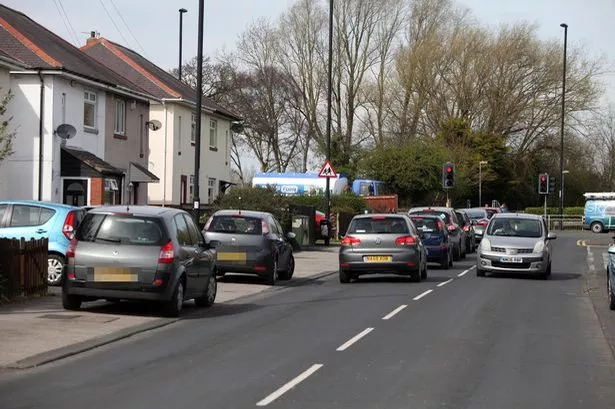
Enforcing regulations on dropped kerbs involves imposing penalties for non-compliance with established standards. Individuals or entities found to have an illegal dropped kerb may face fines that can vary depending on the severity of the violation.
The fine amount for such infringements typically ranges from £100 to £1000.
Alongside fines, a warning system may be implemented to give offenders a chance to rectify the issue before facing more severe penalties.
To prevent illegal dropped kerbs, local authorities often engage in community outreach and education campaigns.
These initiatives aim to raise awareness about the importance of adhering to regulations regarding dropped kerbs.
By educating the public on the consequences of non-compliance and the impact it can have on pedestrians and drivers, these campaigns seek to promote better understanding and compliance with the regulations.
Through a combination of fines, warnings, and educational efforts, authorities work towards ensuring that dropped kerbs are installed and used in a legal and safe manner.
Impact on Pedestrians and Drivers
The presence of illegal dropped kerbs can greatly disrupt the flow of traffic and pose safety hazards for both pedestrians and drivers. When these kerbs are unlawfully constructed or altered, they can create serious implications for road users.
Here are three key impacts on pedestrian safety and traffic congestion:
- Pedestrian Safety: Illegal dropped kerbs can force pedestrians to navigate unsafe crossings, increasing the risk of accidents. Pedestrians may be exposed to oncoming traffic due to improper positioning of the dropped kerb, leading to potential collisions and injuries.
- Traffic Congestion: Illegal dropped kerbs can impede the smooth movement of vehicles, causing congestion and delays. When drivers encounter unexpectedly blocked or narrowed lanes due to these kerbs, it disrupts the traffic flow, leading to bottlenecks and increased travel times.
- Confusion for Drivers: Illegal dropped kerbs can confuse drivers, especially at intersections or entry points where clear visibility is important. This confusion can result in erratic driving behaviour, further endangering pedestrians and causing potential accidents.
Contact us today on 07595 510190 to receive a free quote for your Dropped Kerb, Tarmac, Resin, Concrete or Block driveway project.

Are you considering getting a dropped kerb for your property in Rotherham? Before you start, it's important to understand the costs involved. Read more

Welcome to the world of dropped kerbs in the UK! If you've ever wondered about the cost factors associated with this process, you've Read more

When applying for a dropped kerb, it is important to ensure that your measurements meet the minimum and maximum requirements. The Read more