

The base layer of tarmac is a crucial component in the construction of a sturdy dropped kerb, ensuring durable vehicular access to a property. It consists of several layers that provide strength and stability to the pavement. According to the sources, there should be at least four layers in a tarmac pavement: surface course, binder course(s), sub-base, and sub-grade.
These layers work together to create a solid foundation for the dropped kerb.
Construction Method for Tarmac Base Layer
When it comes to the construction of a durable dropped kerb, the tarmac base layer plays a critical role. Following the proper construction method is essential to ensure a sturdy and long-lasting pavement. Here, we outline the step-by-step process for tarmac base layer construction, as per the dropped kerb guidelines.
- Marking out and excavation: The site is marked out, and the area to be excavated is determined. It is crucial to excavate the surface to a depth of at least 175mm. This ensures the removal of all vegetation, organic matter, topsoil, and soft spots that could compromise the stability of the base layer.
- Edging installation: To prevent the bitmac from crumbling, edgings or kerbs should be used on free edges. This helps to maintain the structural integrity of the tarmac base layer and optimise its durability.
- Laying the sub-base: A sub-base layer is then laid, with a minimum thickness of 100mm. This layer acts as a load-bearing foundation, providing support to the pavement structure, and absorbing the stresses imposed by vehicular traffic.
- Binding the layer: Next, the binder course is added. This layer serves as an intermediary between the sub-base and the wearing course, optimising load distribution and enhancing overall surface stability. The binder course should be 40-50mm thick and well compacted.
- Applying sealing grit: To prevent contamination and improve adhesion, sealing grit can be applied to the base course. This further enhances the performance and longevity of the tarmac base layer.
- Laying the surface course: Finally, the surface course is installed. This top layer consists of small, hard aggregate in a bitumen or asphalt binder. It provides a smooth and durable finish, ensuring a safe and reliable running surface for vehicles.
By following these construction guidelines for the tarmac base layer, dropped kerb installations can deliver a robust and long-lasting solution for seamless vehicular access.
| Construction Steps | Construction Details |
|---|---|
| Marking out and excavation | Site marking and removal of vegetation, organic matter, and soft spots |
| Edging installation | Installing edgings or kerbs to prevent bitmac crumbling |
| Laying the sub-base | Using a load-bearing sub-base layer (100mm minimum) |
| Binding the layer | Adding a binder course (40-50mm) to optimise stability |
| Applying sealing grit | Applying sealing grit to the base course to prevent contamination |
| Laying the surface course | Using small, hard aggregate in a bitumen or asphalt binder |
Tarmac Surfacing Layers for Different Applications
When it comes to tarmac surfacing, different applications require specific layers to ensure durability and stability.
Whether you’re working on footpaths, residential driveways, or access roads, understanding the composition of these layers is crucial for a successful project.
The top layer of tarmac surfacing is known as the surface course.
This layer consists of a small, hard aggregate bound together with a bitumen or asphalt binder.
It provides a smooth running surface for vehicles and pedestrians. To ensure longevity, the surface course should have a minimum thickness of 20-25mm.

The next layer is the binder course, which acts as the load-bearing layer. Typically, it is the first layer to be laid during construction. The binder course should have a thickness of 40-50mm. It provides strength to the pavement and distributes the load evenly.
Beneath the binder course, the sub-base layer acts as an additional load-bearing layer. It can be made of hardcore material or crushed rock, depending on the specific requirements of the project. The sub-base layer provides stability and helps distribute the weight of vehicles or foot traffic.
Finally, the sub-grade layer is the ground beneath the tarmac pavement. Before construction, the sub-grade needs to be properly prepared by removing vegetation and topsoil. This layer forms the foundation for the entire tarmac surfacing system.
By combining these layers – surface course, binder course, sub-base, and sub-grade – tarmac surfacing professionals can create a durable and stable pavement suitable for various applications.
Benefits of Proper Tarmac Surfacing
Properly constructed tarmac surfacing offers several advantages:
- Enhanced durability and longevity
- Smooth and reliable running surface
- Improved safety for pedestrians and vehicles
- Resistance to weather and heavy loads
With the right combination of tarmac surfacing layers, you can ensure that your project stands the test of time, providing a robust and reliable surface for years to come.
| Tarmac Layer | Function | Recommended Thickness |
|---|---|---|
| Surface Course | Provides a smooth running surface | 20-25mm |
| Binder Course | Acts as the load-bearing layer | 40-50mm |
| Sub-base | Additional load-bearing layer | Varies based on project requirements |
| Sub-grade | Forms the foundation for the pavement | N/A |
Conclusion
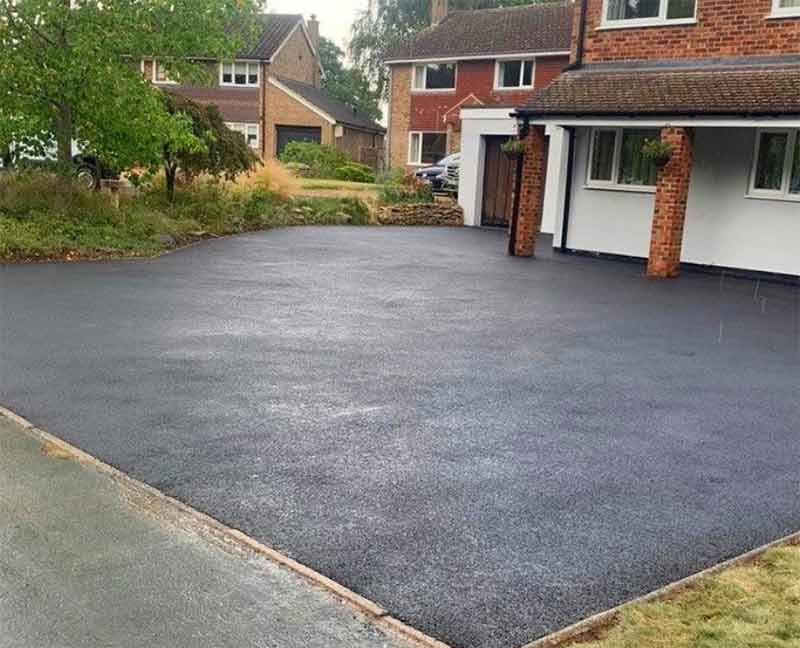
The tarmac base layer is a crucial element in the construction of a dropped kerb, providing strength and stability to the pavement. By incorporating layers such as the surface course, binder course, sub-base, and sub-grade, a durable surfacing is achieved.
Following the proper construction methods and guidelines ensures a sturdy dropped kerb installation that can withstand the demands of vehicular traffic.
Understanding the importance of the tarmac base layer is essential for property owners seeking long-lasting and reliable vehicular access to their properties.
By engaging professional contractors like Dropped Kerb Rotherham for the construction, property owners can rest assured that the dropped kerb will be built to industry standards, incorporating a robust tarmac base layer.
With a well-constructed base layer, the tarmac surfacing can withstand the weight and impact of vehicles, ensuring longevity and durability. Whether it’s a footpath, residential driveway, or access road, the tarmac surfacing layers, when properly designed and installed, create a smooth and reliable surface for various applications.
Contact us today on 07595 510190 to receive a free quote for your Dropped Kerb, Tarmac, Resin, Concrete or Block driveway project.
Source Links
- https://resinbondedaggregates.com/
knowledge-centre/base-build-up-course-tarmac - https://falconsurfacing.co.uk/
typical-tarmac-surfacing-application/ - https://www.pavingexpert.com/tarmac03

Are you considering getting a dropped kerb for your property in Rotherham? Before you start, it's important to understand the costs involved. Read more

Welcome to the world of dropped kerbs in the UK! If you've ever wondered about the cost factors associated with this process, you've Read more

When applying for a dropped kerb, it is important to ensure that your measurements meet the minimum and maximum requirements. The Read more