

When planning a new tarmac driveway, it is important to understand the permits and regulations involved. This comprehensive guide will provide you with all the information you need to navigate the requirements and guidelines for dropped kerbs and ensure your driveway is accessible and compliant with UK council standards.
Installing a dropped kerb not only improves vehicle access and driveway access, but it also plays a crucial role in maintaining safety and street accessibility. Council regulations require homeowners to obtain the necessary permits and adhere to specific guidelines when constructing or modifying their driveways.
One important aspect to consider is the construction of a curb ramp or lowered curb to ensure disabled parking and disabled access are taken into account. This not only enhances accessible parking but also facilitates pavement dipping for a seamless transition from the road to the driveway.
Before proceeding with any construction, it is important to understand the dropped kerb regulations and the process of obtaining the required permits. The dropped kerb installation process involves an application to the local council, which assesses factors such as street safety and vehicle crossover. The cost associated with dropped kerb installation may vary depending on the council’s requirements and the involvement of dropped kerb contractors.
To ensure compliance with council regulations and avoid any potential penalties or legal issues, it is crucial to familiarise yourself with the specific dropped kerb regulations in your area. By doing so, you can enjoy the benefits of a well-designed and legally compliant tarmac driveway.
Stay tuned for the next section where we will explore the topic of “Do New Driveways Need Planning Permission?” and discuss the legal requirements and regulations surrounding driveway installation.
Do New Driveways Need Planning Permission?
Planning permission is a key consideration for homeowners looking to install a new driveway. It’s important to understand the legal requirements and regulations surrounding driveway installation to ensure compliance, safety, and accessibility.
In many cases, obtaining planning permission for new driveways is not necessary, provided certain conditions are met. These conditions include using permeable paving options, which allow rainwater to permeate through the surface rather than contributing to water runoff. Permeable paving not only helps the drainage system but also promotes sustainability and reduces the risk of flooding.
Another factor to consider is the choice of surfacing materials. Impermeable surfacing materials, such as concrete or asphalt, may require planning permission due to their impact on drainage. However, using permeable materials such as gravel, permeable concrete, or grass pavers can help mitigate this concern.
Furthermore, if the new driveway is intended to serve multiple properties, such as shared driveways, it may be subject to additional legal requirements and shared driveway regulations. It’s important to consult with the local planning authority to ensure compliance with any specific requirements in this regard.
For homeowners located in conservation areas or with listed properties, there may be additional regulations and restrictions to consider. These areas often have specific guidelines to preserve the aesthetic appeal and character of the surroundings.
It’s crucial to consult with the local planning authority to determine the specific requirements for driveways in such areas.
To summarise, while planning permission may not always be necessary for new driveways, it is essential to research and understand the legal requirements and regulations that apply.
Consulting with the local planning authority and seeking professional advice can help ensure a smooth and compliant driveway installation process.
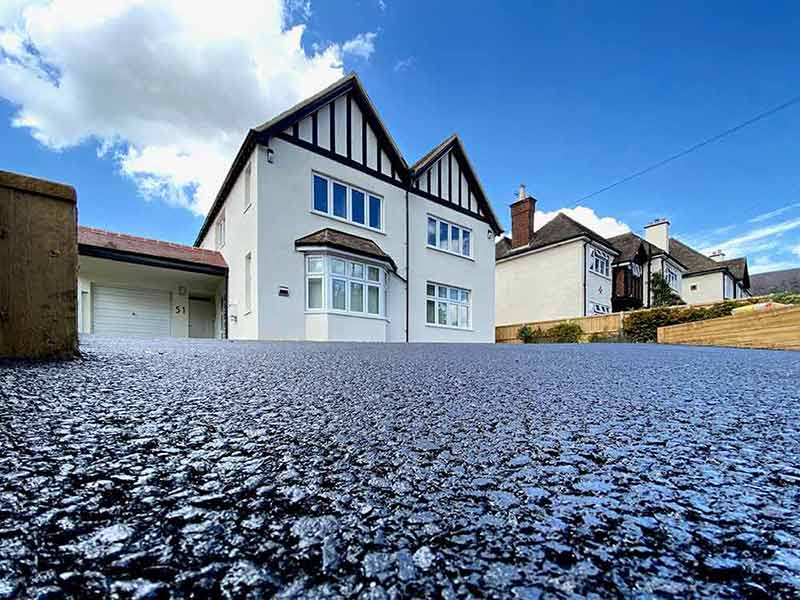
Permeable Paving Options
When it comes to choosing permeable paving options for your new driveway, there are several choices available:
- Grass Pavers: These environmentally-friendly pavers are designed to incorporate grass or vegetation, allowing water to flow through while maintaining an attractive and green appearance.
- Permeable Concrete: This type of concrete is specially formulated with a porous structure that allows water to permeate through, reducing runoff.
- Gravel: A popular choice for many driveways, gravel provides natural drainage and can create a visually appealing, rustic look.
Each option has its own advantages, and selecting the right permeable paving material will depend on factors such as personal preference, aesthetic appeal, budget, and the specific requirements of the property.
Permitted Development and Planning Permission for Driveways
When considering the construction of a new driveway, it is important to understand the rules and regulations surrounding permitted development and planning permission. Permitted development rights allow for certain types of driveway construction without the need for planning permission, making the process smoother and more convenient for homeowners.
Permitted development:
- Driveways constructed using permeable surfaces
- Smaller driveways under five square metres in size
- Driveways that do not affect highway safety
- Driveways that do not require alterations to listed buildings or conservation areas
These permitted development rights enable homeowners to construct driveways using environmentally-friendly permeable surfaces, which allow rainwater to drain naturally into the ground, minimising the risk of flooding and preserving the local ecosystem.
However, it is important to note that certain conditions may require planning permission for driveway construction. These conditions include:
- Driveways constructed using impermeable surfacing materials
- Driveways that exceed five square metres in size
- Driveways that involve alterations impacting highway safety
- Driveways that require alterations to listed buildings or conservation areas
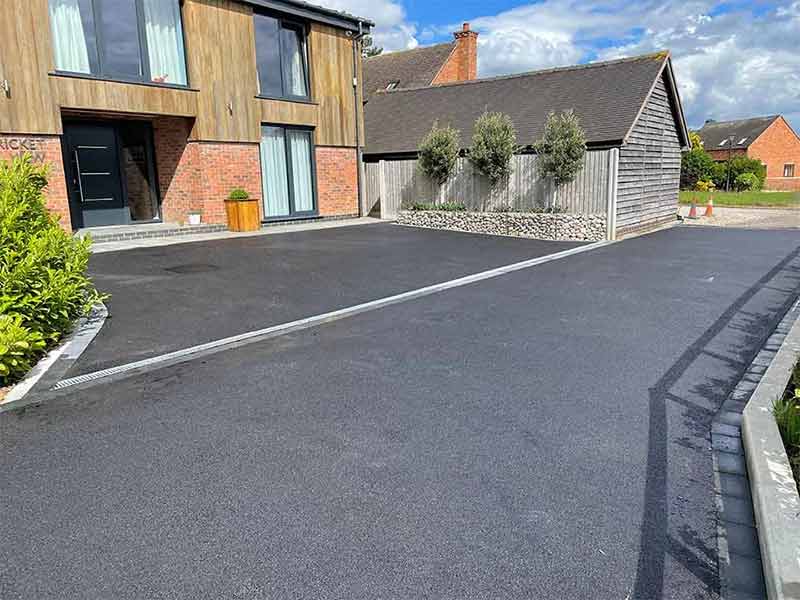
To ensure compliance with regulations, it is vital to consult with the local planning authority before commencing any driveway construction that falls under these conditions.
Obtaining planning permission will help in avoiding potential legal issues or penalties later on.
The installation of a dropped kerb is often necessary for driveway access from the road.
It is important to remember that even if permitted development rights apply, the installation of a dropped kerb may still require permission from the local council.
Consulting with the council and adhering to their guidelines will ensure a smooth process and compliance with all necessary regulations.
Permitted Development Rights for Driveways
| Permitted Development Criteria | Applicable | Not Applicable |
|---|---|---|
| Permeable surfaces | ✓ | |
| Driveway size under five square metres | ✓ | |
| No impact on highway safety | ✓ | |
| No alterations to listed buildings or conservation areas | ✓ | |
| Impermeable surfacing materials | ✓ | |
| Driveway size over five square metres | ✓ | |
| Alterations impacting highway safety | ✓ | |
| Alterations to listed buildings or conservation areas | ✓ |
Conclusion
Understanding the permits and regulations for dropped kerbs and tarmac driveways is essential for homeowners in the UK. By complying with planning permission requirements, using permeable paving options, and considering the impact on highway safety and conservation areas, homeowners can ensure their driveways are accessible, compliant, and aesthetically appealing.
When planning a new tarmac driveway, it is crucial to consult with the local planning authority and follow the necessary steps to obtain permission when required. This ensures that the dropped kerb installation and overall driveway construction meet the necessary regulations and standards.
In summary, obtaining the necessary permits and adhering to the relevant regulations for dropped kerbs and tarmac driveways is the key to a successful and hassle-free driveway project. Whether it’s for improved vehicle access, enhanced street accessibility, or disabled parking requirements, homeowners can create a functional and compliant driveway by understanding and following the permits and regulations.
Contact us today on 07595 510190 to receive a free quote for your Dropped Kerb, Tarmac, Resin, Concrete or Block driveway project.
Source Links
- https://www.hensonsurfacing.co.uk/blog/
do-i-need-planning-permission-for-a-driveway - https://www.thepavingexperts.co.uk/
do-new-driveways-need-planning
-permission-a-comprehensive-guide/ - https://www.townplanning.info/permitted
-development/householder-permitted-development
-pd-rights/driveways-hardstandings-patios/

The base layer of tarmac is a crucial component in the construction of a sturdy dropped kerb, ensuring durable vehicular access Read more
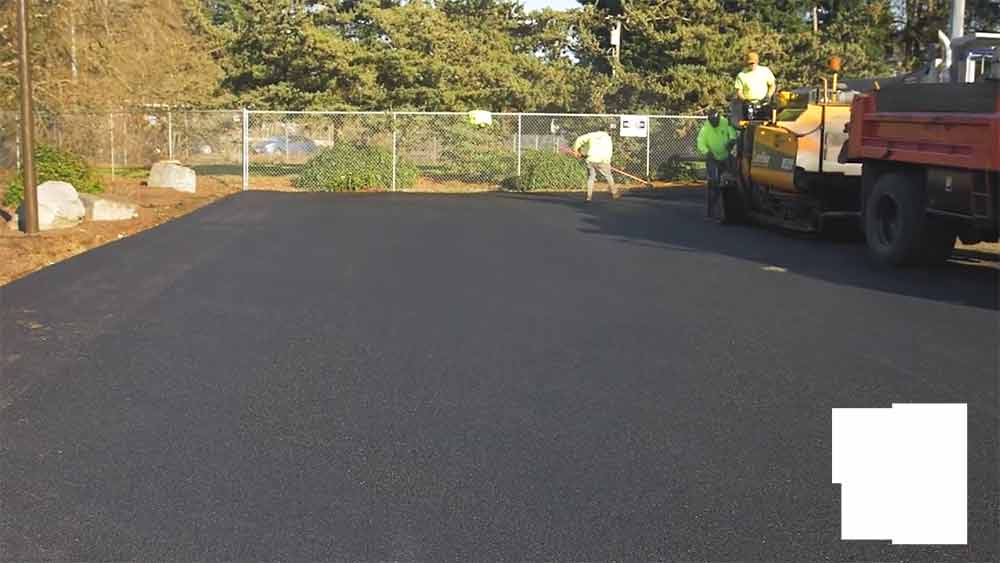
Tarmacking a driveway requires careful consideration of the optimal season for the project. When it comes to tarmac driveways, the right timing can Read more

When it comes to selecting the ideal surface for your driveway, the decision between tarmac and asphalt might seem straightforward Read more