
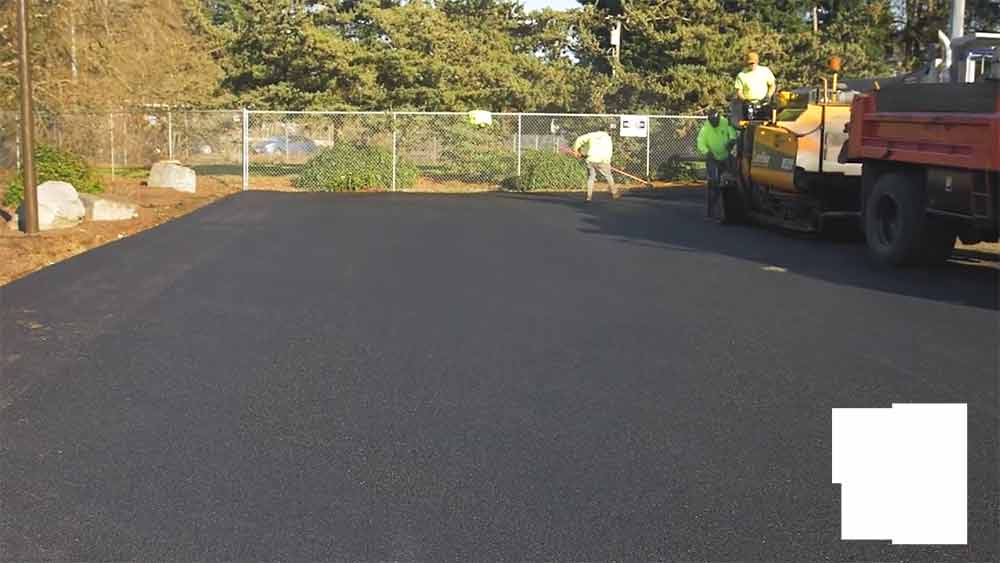
Tarmacking a driveway requires careful consideration of the optimal season for the project. When it comes to tarmac driveways, the right timing can make all the difference in ensuring a successful and long-lasting installation. So, what is the best time to undertake this endeavour?
While tarmac can be laid in various weather conditions, it is generally recommended to avoid cold weather and freezing temperatures. These conditions can negatively impact the quality of the tarmac and hinder its proper bonding to the surface. Therefore, springtime and summer are often considered the ideal times of year for tarmac repairs and installations.
During spring and summer, the weather tends to be milder, providing optimal conditions for tarmac work. The warmer temperatures allow the tarmac to set and cure more effectively, ensuring a durable and smooth finish. Additionally, the absence of freezing temperatures eliminates the risk of tarmac damage caused by frost.
It is important to note that emergency repair work may be necessary throughout the year, especially for busy roads and paths. In such cases, tarmac can be laid even during autumn or winter. However, it is crucial to consider the specific weather conditions and temperature to ensure the best possible outcome.
For residential driveways, the optimal season for tarmacking also depends on factors such as vehicle access and any dropped kerbs. Consult professionals, such as Dropped Kerb Rotherham, to assess the specific requirements of your driveway project.
When working with bagged tarmac, it is essential to ensure that the ground is frost-free to prevent pothole failures. Moreover, certain tarmac formulas, such as Ultracrete’s Tough Patch Rapid, offer increased workability and can be used in wet weather conditions, providing more flexibility when planning your driveway project.
Ultimately, the time of year you choose to tarmac your driveway should align with the weather conditions and temperature. By considering these factors, you can ensure the success and longevity of your tarmac driveway, providing a smooth and durable surface for years to come.
Can You Lay Tarmac in the Rain?
When it comes to laying tarmac, rainy weather poses a challenge. Excessive water can wash away the tarmac before it has a chance to set and bond properly.
While light rain may not cause significant issues, it is best to avoid laying tarmac during heavy rain to ensure a successful installation.
Cold mix asphalt, which contains water in its mixture, is particularly vulnerable to water exposure.
Heavy rain can lead to project failure, so it’s essential to keep cold mix asphalt away from rainy conditions.

On the other hand, hot mix asphalt does not contain water and is more resilient to water exposure. However, for hot mix asphalt to adhere properly, it must be applied on dry surfaces. If hot mix asphalt encounters rain before it sets, it will not bond correctly to the surface.
Therefore, if you plan to lay tarmac, it is highly recommended to check the weather forecast and avoid rain within 12-24 hours after installation. This precaution ensures that the tarmac has enough time to set and bond effectively, guaranteeing the longevity of your driveway.
If you have any further questions or need professional advice on tarmac installation, don’t hesitate to consult with experts at Dropped Kerb Rotherham. They have extensive experience in providing high-quality tarmac services and can guide you through the process with their expertise.
Next, we will explore how hot weather can affect tarmac driveways and discuss the measures you can take to protect your driveway during scorching summers.
How Does Hot Weather Affect Tarmac Driveways?
Hot weather can have a significant impact on tarmac driveways, causing issues such as melting and warping. While hot weather may not be a common occurrence in the UK, it is still crucial to take precautions to protect your tarmac driveway.
To prevent melting and warping, it is recommended to wash the driveway with cold water during the hottest parts of the day. This simple step helps lower the temperature of the tarmac and minimises the risk of damage. Additionally, creating shade by planting trees or shrubs near the driveway can provide relief from direct sunlight, further reducing the temperature of the surface.
It’s also important to avoid putting uneven pressure on the driveway during hot weather. The high temperature can cause the tarmac to soften, making it susceptible to dents or indentations. Be mindful of heavy vehicles or machinery that could exert excessive pressure on the surface.
Sealing your driveway during dry and hot weather conditions can enhance its durability and protect it from potential damage caused by the heat. Regular maintenance is crucial for the longevity of a tarmac driveway.
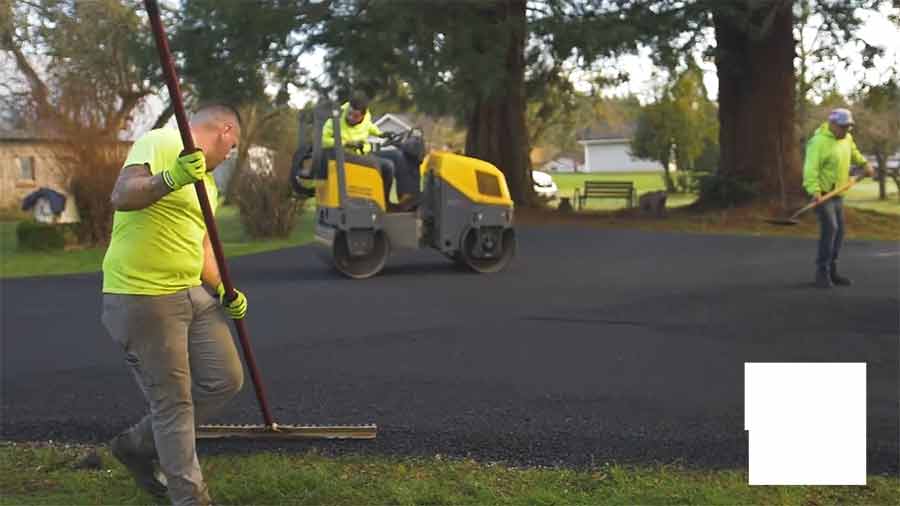
This includes cleaning the surface regularly to remove debris and applying a sealant to keep it in optimal condition.
To summarise, hot weather can impact tarmac driveways through melting and warping.
To prevent such issues, it is recommended to wash the driveway with cold water, create shade, avoid uneven pressure, and perform regular maintenance.
By taking these steps, you can ensure the longevity and durability of your tarmac driveway, even in hot weather conditions.
| Effects of Hot Weather on Tarmac Driveways | Preventive Measures |
|---|---|
| Melting | Wash the driveway with cold water during the hottest parts of the day. |
| Warping | Create shade by planting trees or shrubs near the driveway. |
| Softening | Avoid putting uneven pressure on the driveway during hot weather. |
| Damage due to heat | Seal the driveway during dry and hot weather conditions. |
| Lack of maintenance | Clean the driveway regularly and apply a sealant to protect it. |
Conclusion
When planning a tarmac driveway project, it is crucial to consider the optimal season for tarmacking to ensure the best results. While tarmac can be laid in various weather conditions, springtime and summer, when milder temperatures are expected, are generally recommended. However, it is essential to note that emergency repair work may be necessary throughout the year, especially for busy roads and paths.
To maintain the quality of the tarmac installation, it is important to avoid laying tarmac in freezing temperatures and heavy rain. These weather conditions can adversely affect the durability and longevity of the driveway. It is also crucial to ensure that hot mix asphalt, a popular choice for tarmac driveways, is applied to dry surfaces and not exposed to rain before it sets.
In hot weather, steps can be taken to protect the tarmac driveway. Washing the driveway with cold water during the hottest parts of the day can help lower the temperature and minimise the risk of melting or warping. Creating shade by planting trees or shrubs near the driveway can provide relief from direct sunlight. Additionally, it is advisable to avoid putting uneven pressure on the tarmac to prevent dents or indentations.
Regular maintenance is essential for the long-term durability of a tarmac driveway. Homeowners should prioritise cleaning and sealing the driveway to protect it from weather conditions and potential damage caused by everyday use. By considering these factors and following proper maintenance practices, homeowners can ensure that their tarmac driveways remain in excellent condition for years to come.
Contact us today on 07595 510190 to receive a free quote for your Dropped Kerb, Tarmac, Resin, Concrete or Block driveway project.
Source Links
- https://www.northeastpavingandgardens.co.uk/
laying-tarmac-rain/ - https://www.thepavingexperts.co.uk/
can-tarmac-be-laid-in-cold-weather/ - https://www.hazellj.co.uk/how-to-protect
-a-tarmac-driveway-from-hot-weather/

The base layer of tarmac is a crucial component in the construction of a sturdy dropped kerb, ensuring durable vehicular access Read more

When it comes to selecting the ideal surface for your driveway, the decision between tarmac and asphalt might seem straightforward Read more

When planning a new tarmac driveway, it is important to understand the permits and regulations involved. This comprehensive guide will Read more